If you scroll TikTok or Instagram for 5 minutes, GLP-1 meds like Ozempic®, Wegovy®, and Mounjaro® look like a horror show:
“Ozempic face”
Massive hair loss
Permanent nausea
Gallbladder explosions
“You’ll lose all your muscle and age 20 years overnight”
At the end, I’ll point you to:
My GLP-1 Medical Weight Loss Programs (for people who want structure, not chaos)
A deep-dive article on GLP-1 and muscle loss and how to protect your strength while you lose weight
-
What people are scared of photos of:
Sagging cheeks
Deepened lines
Looser skin
“Old overnight” expressions after big weight loss
The internet decided this is a new disease: “Ozempic face.”
What’s actually happening
Blunt truth: this isn’t a new phenomenon.
It’s what rapid weight loss always does – especially in the face.When you lose a lot of weight:
You lose fat in your face (cheeks, jawline, temples)
Skin that was filled out is now looser
If you lose muscle too, everything looks more deflated
GLP-1s didn’t invent this. They just make effective weight loss more common, so we’re seeing it more often and faster.
Key points:
It’s not a unique side effect of Ozempic®.
It’s mostly volume loss (fat and sometimes muscle) + skin elasticity changes.
The faster and more extreme the weight loss, the more dramatic it looks.
What you can actually do about it
Slow down the weight loss – no prize for dropping 30 lbs in 2 months.
Protect your muscle (we’ll talk about this more below).
Support skin health: hydration, sun protection, healthy nutrition, and, if appropriate, targeted aesthetic treatments (fillers, biostimulators, skin tightening – individualized, not one-size-fits-all).
If you already planned to lose 30–70+ pounds, you were always going to see face changes. GLP-1 just makes that goal finally achievable for many people.
-
The fear
People report:
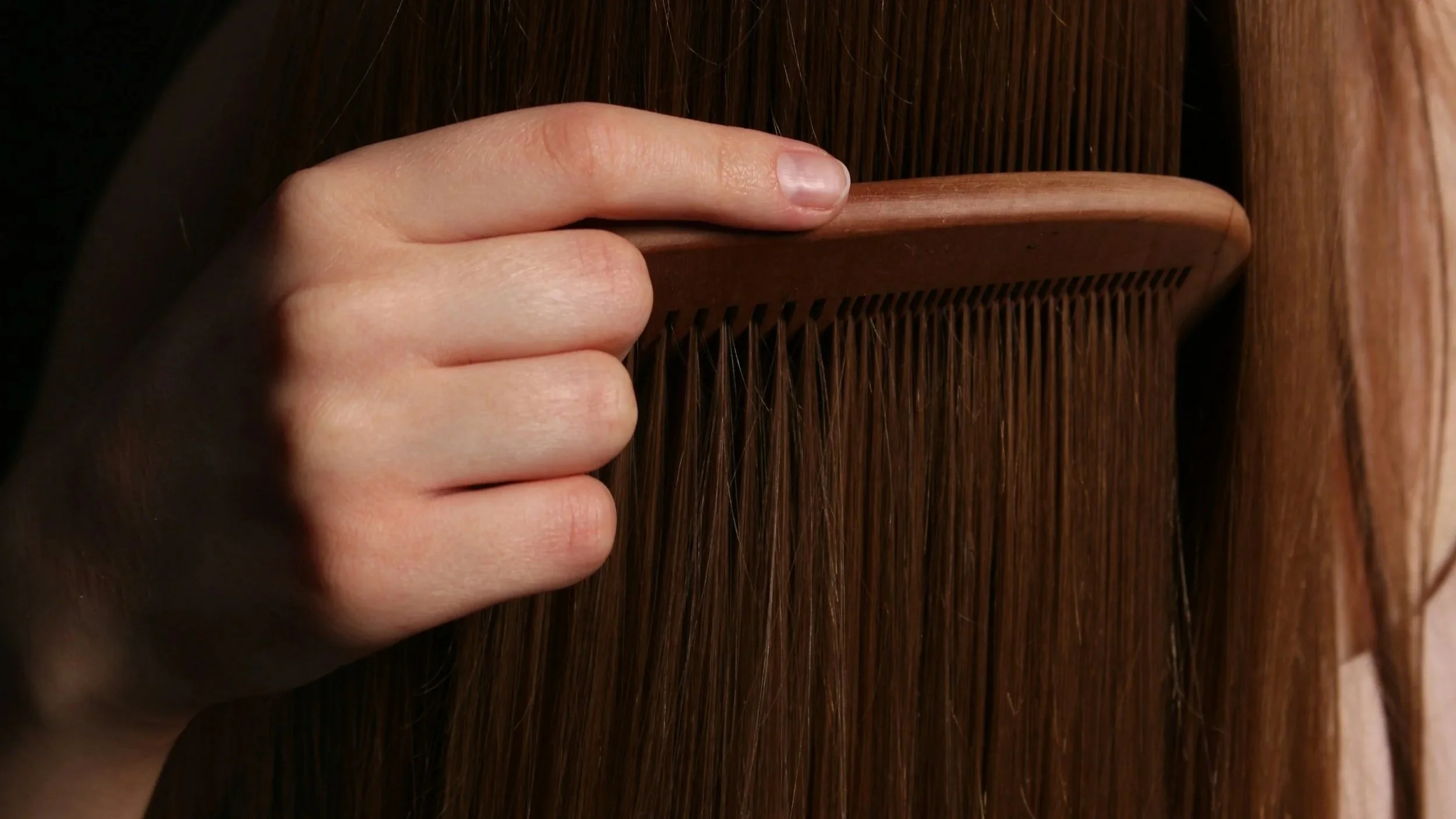
More shedding in the shower
Thinner ponytail
Widening part line
Social media says:
“Ozempic made all my hair fall out.”
The physiology
Significant weight loss is a stressor on the body. Combine:
Calorie deficit
Rapid fat loss
Hormonal shifts
Potential nutrient gaps (especially protein, iron, zinc, etc.)
This can trigger telogen effluvium – a form of diffuse, temporary hair shedding that often appears 3–6 months after a stressor, such as:
Rapid weight loss
Surgery
Illness
Major life stress
So is GLP-1 directly “toxic” to hair? Current evidence points more toward:
Rapid weight loss + stress + not enough nutrients
being the main driver, not the molecule itself.What helps, realistically
Avoid extreme starvation just because GLP-1 killed your appetite. You still need food.
Prioritize protein and overall nutrient-dense foods.
Make sure you aren’t chronically low in iron, B12, vitamin D, etc. (talk with your clinician).
Manage stress and sleep – yes, they affect hair.
Hair shedding after big weight loss is common, with or without GLP-1.
The good news: in many cases, it’s temporary and improves once your body stabilizes and intake normalizes. -
The fear
“You’ll lose all your muscle.”
“Ozempic just makes you smaller and saggier.”
“It destroys your metabolism.”
The truth
Any meaningful weight loss – fasting, crash diets, bariatric surgery, GLP-1 – carries muscle loss risk.
If you:
Eat very little
Eat low protein
Don’t lift or do any resistance training
Your body is going to take fat AND muscle. There’s no way around that. GLP-1 doesn’t change the laws of physiology.
Where GLP-1 makes it easier to mess this up:
You can ignore hunger and undereat dramatically.
It’s easy to fall into “coffee + one small meal + random snacks” and call it a day.
You feel tired and move even less.
This combo = aggressive muscle loss.
The good news: muscle loss is manageable if you’re not reckless
You can drastically reduce muscle loss with:
Enough protein (daily, not once a week)
Basic resistance training 2–3x/week
Avoiding “I’m not hungry so I’ll just not eat all day” behavior
I wrote a full, practical article on this: GLP-1 and Muscle Loss: How to Protect Strength While You Lose Weight
If you’re going to invest in GLP-1, do it right. Don’t trade your strength and future independence just to see a smaller number on the scale. -
The panic
People report:
Gallstones
Gallbladder attacks
Gallbladder removal after rapid weight loss
This gets summarized online as:
“Ozempic destroys your gallbladder.”
The nuance
Rapid weight loss from any cause is associated with increased gallstone risk. That includes:
Crash dieting
Very low-calorie diets
Bariatric surgery
And yes, successful GLP-1 weight loss
Why?
Changes in bile composition
Less fat coming through to stimulate regular gallbladder emptying
Hormonal and metabolic shifts
So again, GLP-1 didn’t invent this risk – but it likely contributes when weight loss is fast and significant, especially in people already predisposed.
What to be aware of
History matters: prior gallstones, gallbladder issues, or risk factors change the conversation.
Clinician supervision matters: they should actually ASK about GI history before and during treatment.
Symptoms like right upper abdomen pain, nausea, vomiting, fever, or pain after fatty meals need to be taken seriously.
-
The fear
Daily nausea
Vomiting
Reflux
Feeling full after three bites
Afraid of eating because you’ll feel sick
GLP-1 horror stories often center on people being miserable all the time.
What’s expected vs what’s unacceptable
GLP-1 medications slow gastric emptying and change appetite signaling. Mild to moderate GI symptoms at the beginning or after dose increases are common:
Some nausea
Earlier fullness
Occasional bloating or constipation
But there’s a difference between:
Manageable side effects that improve with dose adjustments, slower titration, and behavior changes
vsRelentless, daily misery where you can’t hydrate, can’t eat, and can’t function
The latter is NOT the goal of treatment. That’s bad prescribing, not “the price of weight loss.”
What a sane GLP-1 plan should do about GI side effects
Start low, go slow – lower initial dose, slower titration for sensitive people
Pause dose increases when symptoms are significant
Use simple behavioral strategies:
Smaller meals
Avoiding heavy/fatty meals, especially early on
No “huge cheat meals” after you’ve been eating like a bird
If symptoms are severe or persistent: reassess the medication strategy entirely.
You should not be suffering nonstop for the sake of “results.” That’s not medicine. That’s abuse.
-
This one doesn’t get as much airtime, but it’s real.
Some people on GLP-1 report:
“Food is quiet in my head for the first time in my life.”
“I feel free.”
Others report:
Feeling emotionally flat
Grieving the loss of food as a coping mechanism
Identity shock after big weight changes
GLP-1 doesn’t magically fix:
Emotional eating
Trauma
Body image struggles
Stress coping skills
Often, it reveals them more clearly because the numbing effect of overeating is suddenly removed.
This is why support matters:
Therapy
Coaching
Group support
Honest conversations about what’s actually changing in your life, not just your jeans size
-
Wrong question.
The better question is:
“Is GLP-1 being used appropriately for me, in a way that respects my medical history, my metabolism, my life, and my long-term health?”
Used randomly, without screening, monitoring, or any plan beyond “lose weight fast,” GLP-1 can absolutely turn into a mess.
Used thoughtfully:
For the right candidates
With a sane dose plan
With muscle, nutrition, and mental health in mind
…it can be a game changer for people stuck in decades of yo-yo dieting, insulin resistance, and midlife metabolic burnout.
-
Yes, “Ozempic face,” hair loss, muscle loss, gallbladder issues, and nausea are real concerns – but most of the internet is either lying to you or leaving out half the story.
You don’t need panic.
You need context, monitoring, and a real plan.If you’re ready for that level of honesty and structure, not just another quick script, you know where to go.